
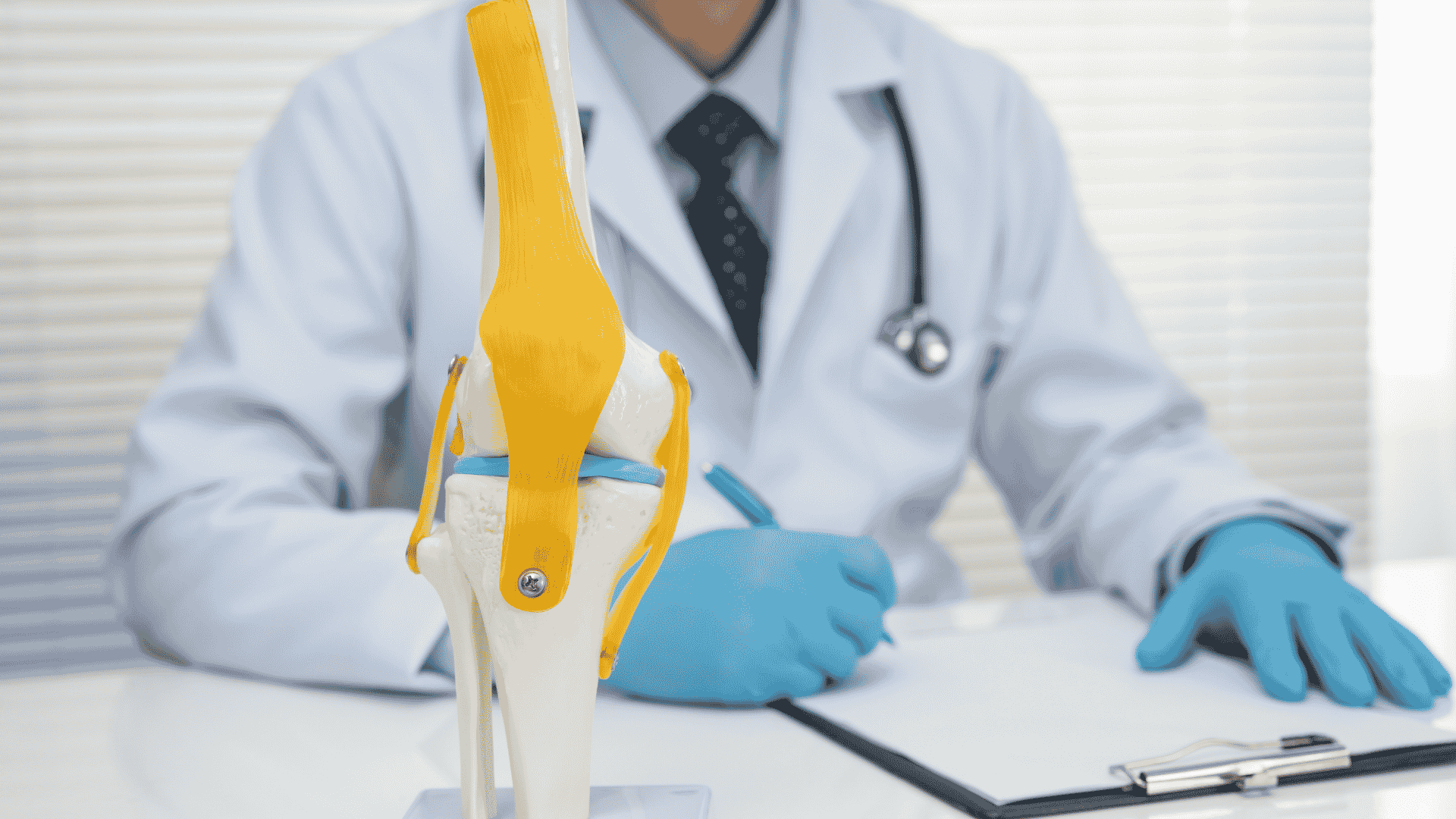
Foot Drop and FES Devices Hickory, NC
If you find yourself dragging your toes, tripping more often, or lifting your knee higher just to clear your foot when you walk, you may be experiencing foot drop. It can be frustrating and even unsafe, but effective solutions exist. At our Hickory office, located at 910 Tate Blvd SE, Suite 103, Orthopedic Appliance Company offers a range of foot drop treatments, including advanced functional electrical stimulation through the WalkAide system. We proudly serve Catawba County and the surrounding region.

Sex & Intimacy After Amputation
Intimacy is a meaningful part of life and connection, yet it is one of the topics people are least likely to ask about after an amputation. Many people wonder how limb loss will affect their relationships, their confidence, and their sense of themselves, but feel unsure where to turn for honest, respectful answers. If you have had those questions, you are far from alone, and they deserve thoughtful attention.
This guide approaches intimacy after amputation with compassion and practicality, for people of every gender, relationship status, and amputation level. Our aim is to normalize the conversation, offer useful guidance, and point you toward support, so that intimacy can remain a fulfilling part of life.
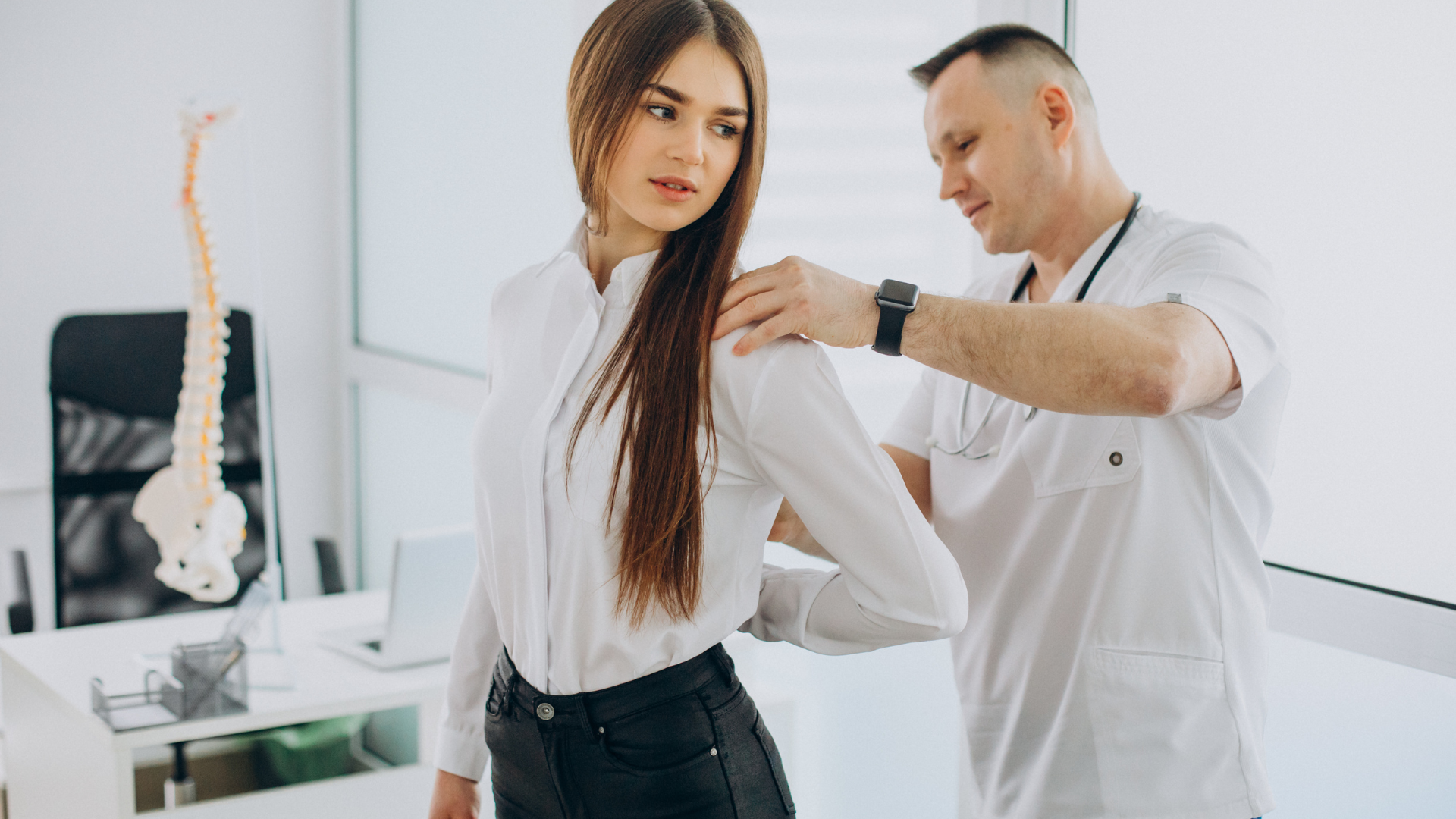
Scoliosis Bracing in Fletcher, NC
A scoliosis diagnosis brings a wave of questions for any family, and having experienced, compassionate care nearby makes a meaningful difference. At our Fletcher office, located at 235 St. Johns Road, Orthopedic Appliance Company provides custom scoliosis bracing for children and teens throughout Henderson County and the surrounding region. We combine decades of experience with a genuinely family-centered approach.

Scoliosis and Spinal Bracing for Teens
A scoliosis diagnosis can land hard for a family. Parents often leave the appointment with a swirl of questions about surgery, sports, school, and what daily life will look like, while their teenager may feel worried about wearing a brace in front of peers. Those concerns are completely understandable, and the reassuring reality is that most teens with scoliosis go on to live full, active lives.
This guide walks through what scoliosis is, how it is monitored, the brace types most commonly used today, and the practical and emotional sides of bracing that families ask about most. Whether you are newly navigating a diagnosis or looking to support a teen already in a brace, our goal is to give you clear, current information grounded in research.