When your child has cerebral palsy, every milestone feels monumental. The first time they pull themselves up, take supported steps, or confidently walk across a playground—these moments become treasured victories that fill parents' hearts with pride and hope.
At Orthopedic Appliance Company, we've been privileged to witness thousands of these breakthrough moments over our six decades of service. From toddlers in Western North Carolina taking their first wobbly steps in custom SMOs to teenagers in Arkansas confidently participating in school sports while wearing AFOs, we've seen how the right foot bracing can transform not just mobility, but a child's entire relationship with their body and their world.
Cerebral palsy affects approximately 1 in 345 children, making it the most common motor disability in childhood. While every child's journey is unique, one constant remains: early intervention with appropriate foot bracing can dramatically improve mobility, reduce pain, and build the confidence that allows children to fully participate in life's adventures.
1. Understanding How Cerebral Palsy Affects Little Feet
Cerebral palsy stems from brain injury that occurs before, during, or shortly after birth, affecting the brain's ability to control muscles and coordinate movement. For children, this often translates into very specific challenges with their feet and ankles that can impact everything from learning to walk to playing with friends.
Many children with cerebral palsy experience spasticity, where muscles contract involuntarily and create persistent tightness. In the feet, this commonly causes the foot to point downward constantly, making it difficult to place the heel flat on the ground. Imagine trying to walk on your tiptoes all day—it's exhausting, unstable, and can lead to frequent falls.
Other children might have feet that turn inward or outward, creating uneven weight distribution that makes balance challenging. Some experience toe curling or clawing, which affects their ability to push off properly during walking and can create painful pressure points inside shoes.
These movement challenges don't just affect walking. They can impact a child's confidence on the playground, their ability to participate in sports, and even simple activities like climbing stairs or walking on uneven surfaces. The cumulative effect can be profound, limiting not just physical development but social participation as well.
2. The Transformative Power of Foot Bracing
When families first learn their child needs foot braces, the initial reaction is often concern. Will braces limit their child's development? Make them stand out from peers? Prevent them from being active? The reality, however, is quite the opposite.
Properly fitted foot braces typically enhance a child's abilities rather than restrict them. By providing external support where muscle control is lacking, braces can give children the stability and confidence to attempt new movement skills. Many parents report that their child becomes more adventurous, willing to try playground equipment they previously avoided, or eager to join in games they once watched from the sidelines.
The physical benefits are substantial. Braces help maintain feet in more functional positions during walking, which improves efficiency and reduces the tremendous energy expenditure many children with cerebral palsy experience during mobility. Better foot positioning also leads to improved balance, reducing fall risk and allowing children to stand for longer periods during classroom activities or social gatherings.
Beyond the physical improvements, the emotional and social benefits can be equally significant. When children move more confidently, they often show increased willingness to participate in group activities, improved self-esteem, and greater motivation for physical therapy and exercise. These psychological benefits create a positive cycle that supports continued progress and development.
3. Navigating Brace Options: Finding the Right Fit
The world of pediatric orthotics offers numerous options, and understanding the differences helps families make informed decisions about their child's care.
Ankle Foot Orthoses (AFOs)
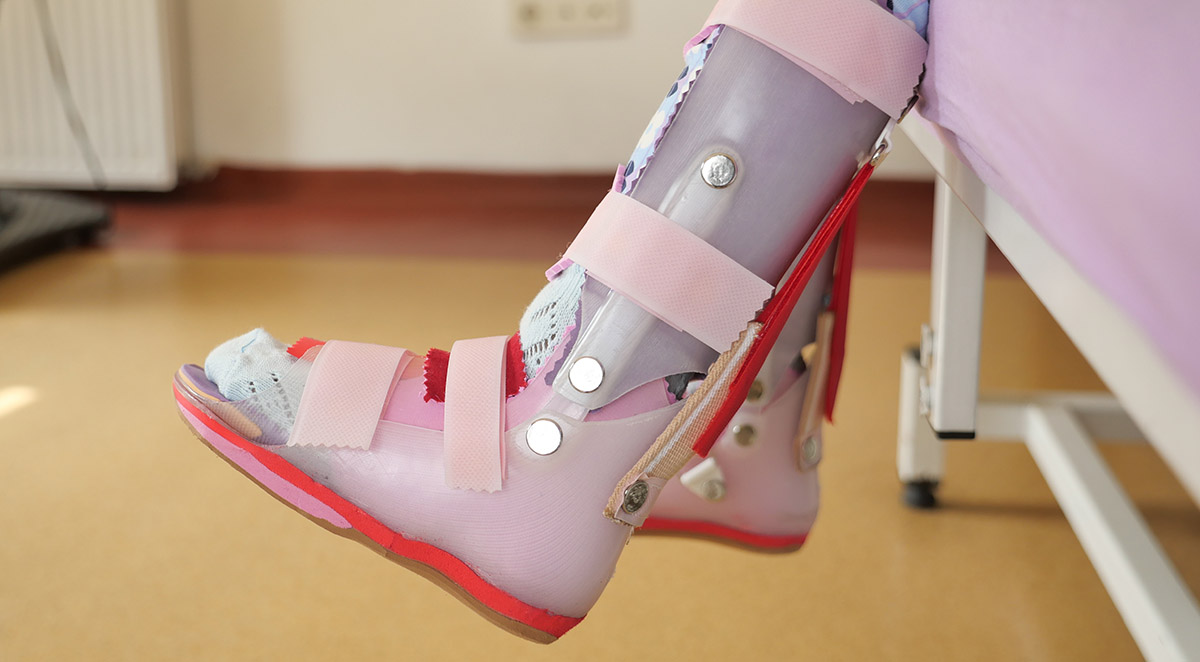
AFOs are the workhorses of pediatric foot bracing, extending from below the knee to the foot to provide comprehensive support. For children with significant spasticity who struggle with foot drop or persistent toe walking, solid ankle AFOs maintain the ankle at a fixed angle, preventing the foot from pointing downward and enabling more normal heel-toe walking patterns.
Children with some voluntary ankle control might benefit from hinged AFOs, which allow controlled movement while still providing necessary support. These braces offer a nice middle ground—enough support to prevent problematic movement patterns while preserving the natural motion that helps with balance and coordination.
Ground reaction AFOs serve a special purpose for children whose cerebral palsy affects knee stability as well as foot positioning. These braces use the ground's reaction forces to help control knee alignment, often eliminating the need for more extensive bracing higher up the leg.
Supramalleolar Orthoses (SMOs)
SMOs are often the gentlest introduction to foot bracing, providing support around the foot and ankle without the bulk of AFOs. For young children with mild to moderate involvement, flexible SMOs offer guidance and support while allowing natural movement patterns to develop.
These shorter braces are particularly appealing for families concerned about their child's appearance or social acceptance, as they're less noticeable and easier to fit into regular shoes. Many toddlers with cerebral palsy start their orthotic journey with SMOs, gradually transitioning to other options as their needs change.
When More Support is Needed
Some children require more comprehensive bracing through Knee Ankle Foot Orthoses (KAFOs), which extend from the foot up to the thigh. While more extensive, these braces can be life-changing for children with significant weakness or instability affecting multiple joints.
Modern KAFOs are remarkably lightweight and can include locking mechanisms that allow children to lock their knees for stable standing during classroom activities, then unlock them for sitting or more dynamic movements. For some children, KAFOs represent the difference between wheelchair dependence and independent walking.
4. Growing Up with Braces: Age-Specific Considerations
The Early Years (Birth to 5)
During the crucial early childhood period, the developing nervous system shows remarkable plasticity. This window represents an optimal time for orthotic intervention, as children's brains are most adaptable to new movement patterns and support systems.
For toddlers just beginning to explore walking, braces need to be particularly durable and easy for parents to manage during busy daily routines. Families quickly become experts at quick brace application during diaper changes or getting ready for daycare. The key is finding designs that support development while accommodating the active, exploratory nature of early childhood.
Many parents worry about their toddler's acceptance of braces, but children this age are remarkably adaptable. They often incorporate their braces into their sense of normal, especially when the braces enable activities they couldn't previously enjoy.
School-Age Adventures (6 to 12)
School-age children face unique challenges as they navigate educational environments while managing their orthotic needs. This period often requires careful coordination with school personnel to ensure proper brace management during the school day.
Many children this age become capable of managing some aspects of their own brace care, developing independence and problem-solving skills that serve them well beyond their orthotic needs. They learn to advocate for themselves when something doesn't feel right or when they need accommodations for specific activities.
The social aspects of school life take on greater importance during this period. Some children prefer to educate classmates about their braces, turning them into conversation starters that build understanding and acceptance. Others prefer to downplay their braces, focusing instead on their abilities and interests.
Teenage Years and Beyond (13 to 18)
Adolescence brings unique considerations as teenagers navigate identity formation and increasing independence while managing their orthotic needs. Body image concerns naturally arise during this period, making it crucial to involve teenagers in decisions about their brace design and appearance.
Modern orthotic technology offers numerous options for personalization, from color choices to low-profile designs that accommodate teenage fashion preferences. The goal is finding solutions that maintain function while supporting the teenager's desire for self-expression and peer acceptance.
This period also involves beginning discussions about transition to adult healthcare services and long-term planning for orthotic needs beyond the pediatric years.
5. Building Your Support Team
Successful orthotic management for children with cerebral palsy requires collaboration among multiple healthcare professionals, each bringing essential expertise to optimize outcomes.
Your child's pediatric neurologist typically provides the initial diagnosis and ongoing medical management, working closely with orthopedic surgeons when surgical interventions might be needed. Physical and occupational therapists develop strength and functional programs that complement bracing, while orthotists design, fabricate, and fit the actual devices.
The family, however, remains at the center of this team. Parents become experts in their child's daily needs, observing subtle changes in function or comfort that guide treatment adjustments. Siblings often provide invaluable emotional support and practical assistance, while extended family members contribute to the network of understanding and encouragement.
6. Living Life to the Fullest
Children with cerebral palsy who use foot braces can participate in an amazing variety of activities with appropriate planning and support. Swimming provides excellent exercise and can be enjoyed without braces. Many adaptive sports programs welcome children with various abilities, creating opportunities for competition, fitness, and friendship.
School integration often goes more smoothly than families initially fear. Most teachers and classmates are understanding and supportive when they understand how braces help. Physical education classes can usually be modified to allow meaningful participation, and many children find they can engage in playground activities they previously avoided.
The key is maintaining realistic expectations while encouraging maximum participation. Some activities might require modifications, but the goal is always finding ways for children to engage rather than reasons to exclude them.
7. Looking Toward the Future
The ultimate goal of foot bracing for children with cerebral palsy extends far beyond immediate mobility improvements. We're working toward maximizing independence, building confidence, and establishing patterns of self-care and advocacy that will serve children throughout their lives.
Many adults who used braces as children report that the experience taught them valuable lessons about problem-solving, persistence, and self-advocacy. They learned to work with healthcare providers, communicate their needs effectively, and maintain a positive attitude when facing challenges—skills that benefit them in all areas of adult life.
For families just beginning this journey, it's important to remember that each child's path is unique. Some will eventually transition away from bracing as their motor skills develop, while others will continue using orthotic support throughout their lives. Both outcomes can lead to fulfilling, independent lives filled with achievement and joy.
8. Frequently Asked Questions
When should my child start using foot braces?
Most children benefit from bracing between 12-18 months when they begin attempting to stand and walk, though timing depends entirely on individual development. Early consultation with a pediatric orthotist helps determine optimal timing for maximum benefit while preventing deformity progression. The key is identifying when bracing can most effectively support motor development.
How many hours per day will my child wear braces?
Wearing schedules vary significantly based on your child's needs and brace type. Some children wear braces during all weight-bearing activities, while others need them only for specific situations. We typically start gradually with shorter periods, increasing duration as children adapt. Most children with AFOs or SMOs wear them during daytime activities but remove them for sleeping, bathing, and swimming.
Will braces limit my child's development or independence?
Appropriate bracing typically enhances rather than limits development and independence. Braces provide stability that allows children to attempt new movement skills with confidence. By preventing falls and improving balance, braces often enable participation in activities that would otherwise be too challenging or dangerous. The goal is always to maximize function and independence.
How often will my child need new braces?
Children typically need replacement braces every 12-24 months due to growth, though this varies with individual growth rates and activity levels. We design braces with growth accommodation when possible and provide ongoing adjustments to extend their useful life. Regular follow-up appointments help monitor fit and function as children develop.
Can my child participate in sports with braces?
Absolutely! Many children with cerebral palsy successfully participate in various sports and activities. Swimming is excellent exercise since braces can be removed for pool activities. Many children enjoy adaptive sports programs, modified team sports, playground activities, and recreational pursuits with proper planning and supervision.
How do I know if the brace fits properly?
Your child should wear their brace comfortably for extended periods without skin irritation or excessive discomfort. Look for improvements in balance, walking patterns, or reduced fatigue during activities. Warning signs include persistent red marks that don't fade within 30 minutes of removal, pain complaints, or worsening movement patterns.
What if my child resists wearing braces?
Initial resistance is common and understandable. Start with short wearing periods and gradually increase duration. Make brace application part of daily routine like brushing teeth. Use positive reinforcement and praise for cooperation. Some children enjoy decorating braces with stickers or choosing colors during fabrication. If resistance persists, discuss concerns with your orthotist about potential fit or schedule adjustments.
9. Taking the Next Step
Foot bracing for children with cerebral palsy represents an investment in your child's independence, confidence, and future possibilities. While every journey is unique, the combination of modern technology, expert care, and family support can lead to remarkable improvements in mobility and quality of life.
At Orthopedic Appliance Company, we understand that choosing orthotic care for your child involves both hope and concern. Our experienced pediatric team recognizes the challenges families face and provides not just technical expertise, but the ongoing support and encouragement that makes this journey more manageable.
The path ahead may seem uncertain, but you don't have to walk it alone. Contact Orthopedic Appliance Company today to learn how foot bracing can make a difference in your child's life. Every child deserves the opportunity to explore their world with confidence—and we're here to help make that possible.