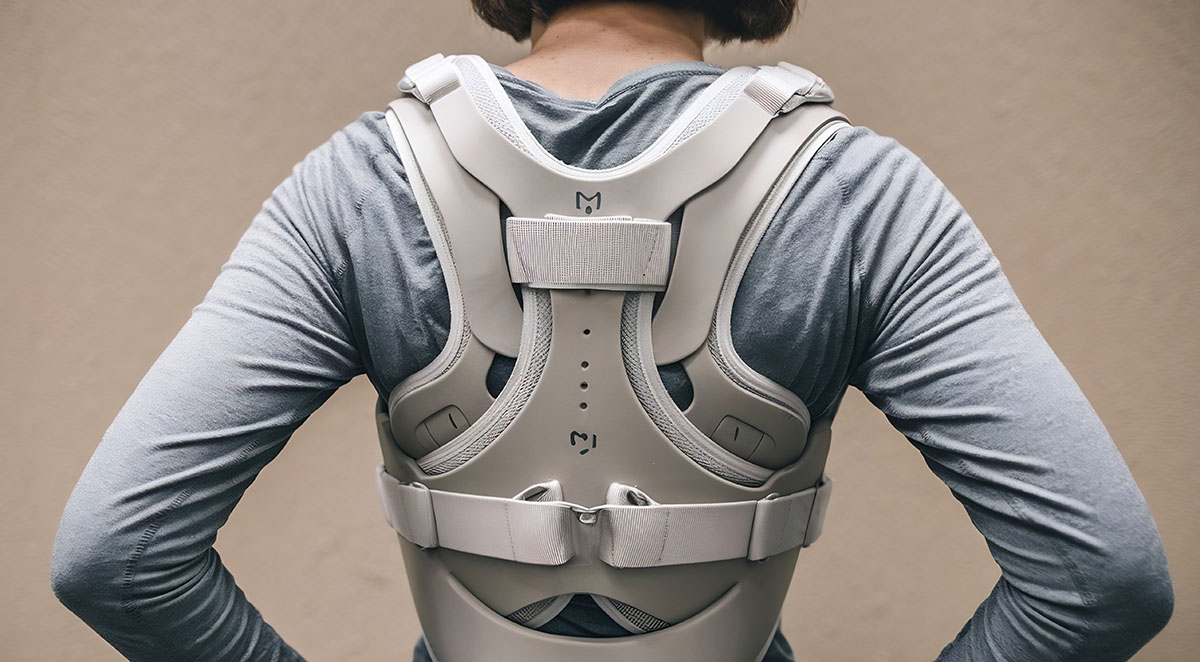
What to Know About Spinal Bracing After Surgery
Facing spinal surgery, or recovering from it, brings a long list of questions, and bracing is often one of them. Many people leave their surgeon's office knowing they'll wear a back brace afterward, but unsure what it will feel like, how long they'll need it, or what it's actually doing. If that's where you are, you're in good company, and a little clarity can make the road ahead feel much more manageable.
Post-surgical spinal braces are a common part of recovery, though how and when they're used varies quite a bit from person to person. Here's a clear, honest look at what these braces do, the types you might be prescribed, and what to expect as you heal.
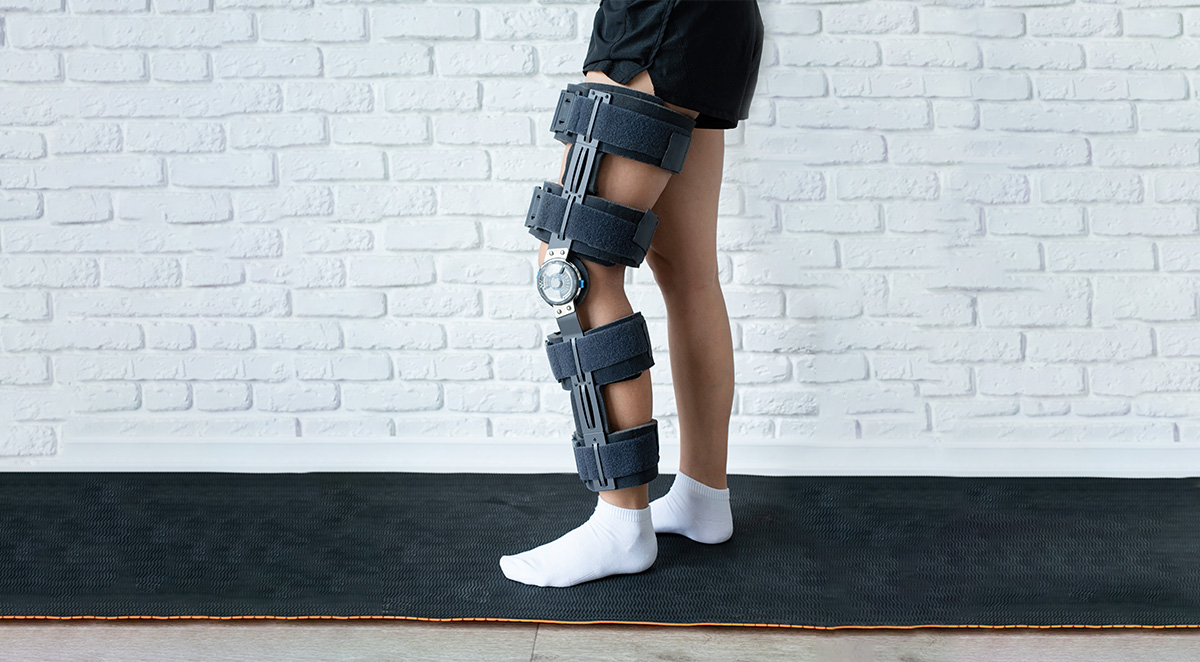
All About KAFO Bracing
When weakness or instability in your leg makes walking feel unsafe or exhausting, the right brace can restore both mobility and confidence. A knee-ankle-foot orthosis, or KAFO, is one of the most supportive devices in orthotics, designed to stabilize the leg from the thigh all the way down to the foot. If your physician has mentioned a KAFO, or you're simply exploring your options, understanding how these devices work makes the path ahead far less daunting.
KAFOs have come a long way from the heavy metal-and-leather braces of decades past. Today's devices are lighter, smarter, and more tailored to each person than ever before. Here's a clear guide to what KAFOs are, who they help, the technology behind them, and what getting one at Orthopedic Appliance Company is like.

A Guide to Cervical Orthotics & Neck Braces
The neck does a remarkable amount of work, holding up the head, allowing you to look around, and protecting the delicate spinal cord that runs through it. When an injury, surgery, or medical condition affects the cervical spine, a neck brace often becomes an important part of protecting that area while it heals. If you've been told you'll need a cervical orthosis, it's natural to have questions about what it is, why it's needed, and what wearing one will be like.
Cervical orthotics range from soft, flexible collars to rigid devices that hold the head and upper spine firmly in place. The right one depends entirely on your diagnosis and what your care team is trying to accomplish. This guide walks through the main types of neck braces, when they're prescribed, and what the fitting process involves, so you can approach your own care with more confidence.

Sex & Intimacy After Amputation
Intimacy is a meaningful part of life and connection, yet it is one of the topics people are least likely to ask about after an amputation. Many people wonder how limb loss will affect their relationships, their confidence, and their sense of themselves, but feel unsure where to turn for honest, respectful answers. If you have had those questions, you are far from alone, and they deserve thoughtful attention.
This guide approaches intimacy after amputation with compassion and practicality, for people of every gender, relationship status, and amputation level. Our aim is to normalize the conversation, offer useful guidance, and point you toward support, so that intimacy can remain a fulfilling part of life.