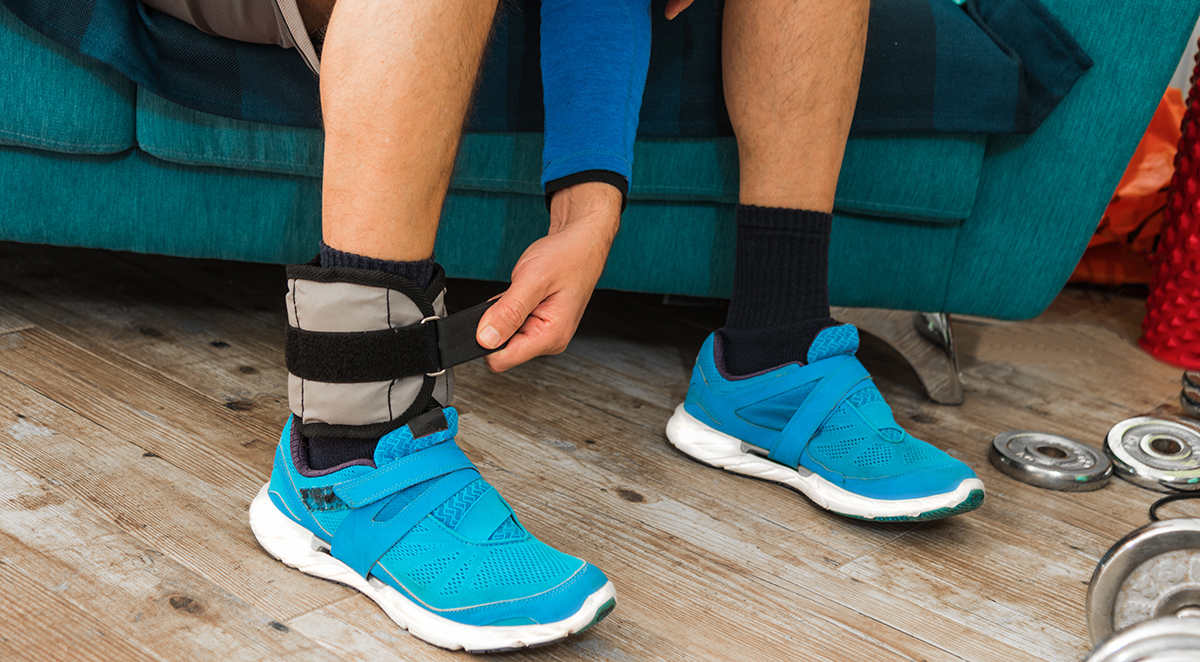
The Role Of Ankle Braces In Preventing Sports Injuries In Young Athletes
Youth sports participation has reached unprecedented levels across America, with over 45 million children and teenagers engaging in organized athletic activities annually. While this surge in sports involvement brings tremendous benefits for physical fitness, social development, and character building, it also presents a significant challenge: the rising incidence of sports-related injuries among young athletes.
Ankle injuries represent one of the most common orthopedic problems in youth sports, accounting for approximately 15% of all athletic injuries in participants under 18 years old. These injuries not only sideline young athletes during crucial developmental years but can also lead to long-term complications, including chronic ankle instability and increased risk of re-injury. The good news? Many of these injuries are preventable with proper preparation, technique, and the strategic use of protective equipment like ankle braces.
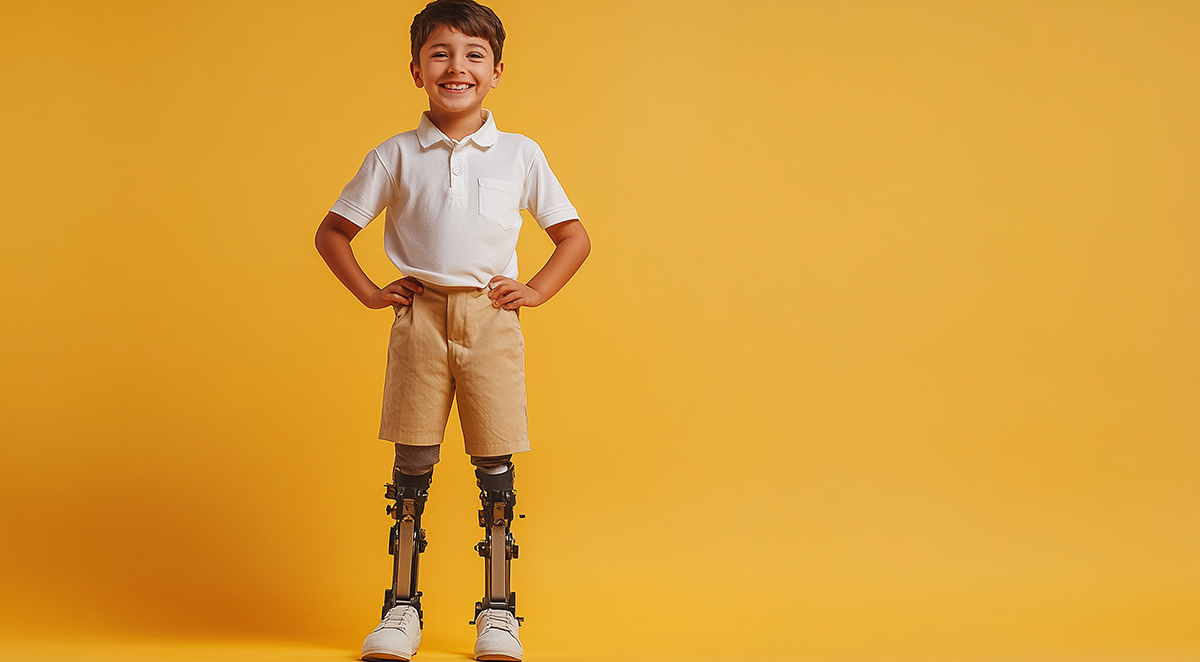
The Psychological Impact Of Orthotic Braces: How To Support Your Child Emotionally
When a child is prescribed orthotic braces, parents naturally focus on the physical benefits these devices provide. However, the emotional and psychological impact of wearing braces can be just as significant as the physical adjustments. Children may experience a range of feelings—from self-consciousness and anxiety to frustration and even embarrassment—as they adapt to their new orthotic devices.
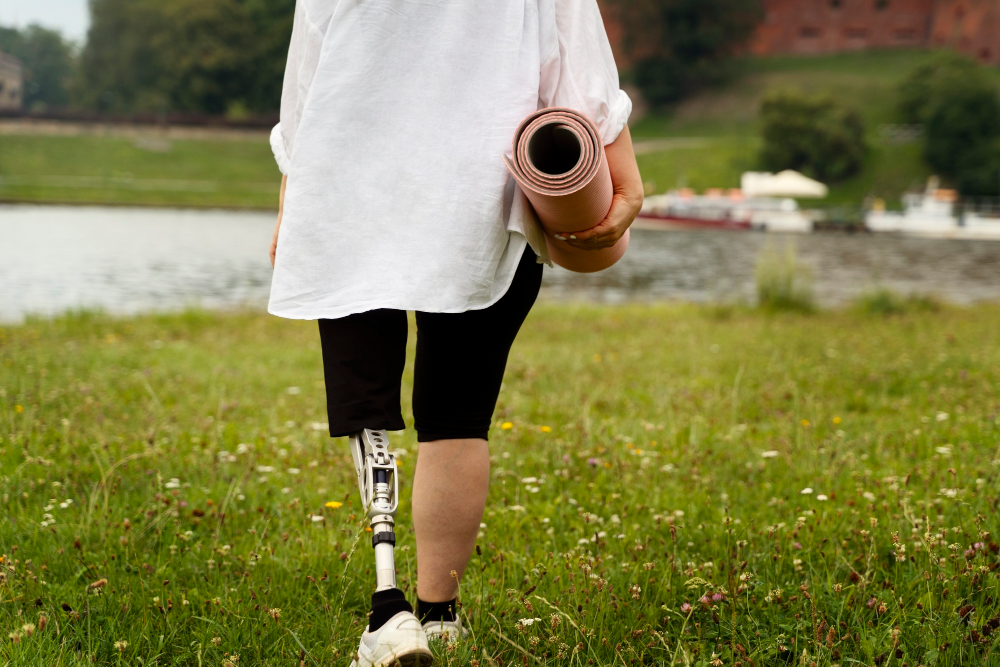
Alternative Therapies To Help Phantom Limb Pain
Living with phantom limb pain presents unique challenges for amputees. This sensation—pain that seems to come from a limb that is no longer there—affects up to 80% of amputees at some point following surgery (National Center for Biotechnology Information, 2022). While conventional treatments like medication and surgical interventions have their place, many individuals find relief through alternative approaches that complement traditional medical care.

Caring For Your Child's Knee, Ankle, And Foot Braces: Essential Maintenance Tips
Orthopedic braces play a crucial role in your child's development and mobility, especially when managing conditions that affect their lower extremities. Proper maintenance of these devices is not just about prolonging their lifespan—it's about ensuring your child receives maximum benefit, comfort, and support throughout their treatment. At Orthopedic Appliance Company, we've been providing custom orthopedic bracing for children throughout Western North Carolina since 1960, and we understand the challenges parents face in keeping these vital devices in optimal condition.