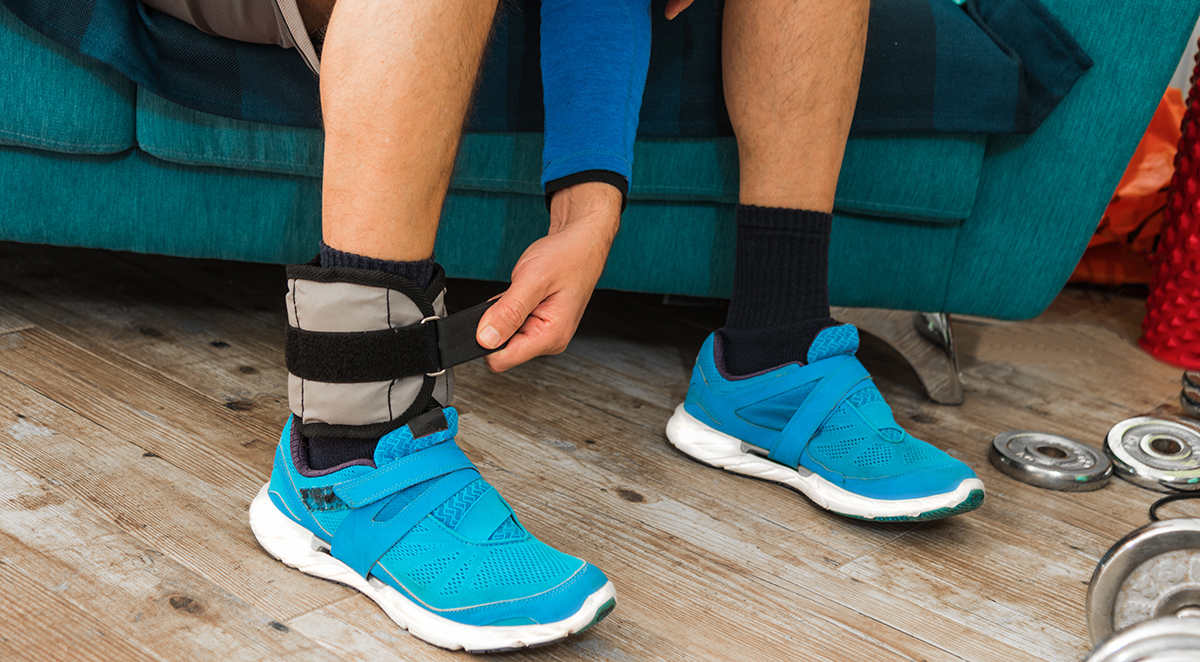
Youth sports participation has reached unprecedented levels across America, with over 45 million children and teenagers engaging in organized athletic activities annually. While this surge in sports involvement brings tremendous benefits for physical fitness, social development, and character building, it also presents a significant challenge: the rising incidence of sports-related injuries among young athletes.
Ankle injuries represent one of the most common orthopedic problems in youth sports, accounting for approximately 15% of all athletic injuries in participants under 18 years old. These injuries not only sideline young athletes during crucial developmental years but can also lead to long-term complications, including chronic ankle instability and increased risk of re-injury. The good news? Many of these injuries are preventable with proper preparation, technique, and the strategic use of protective equipment like ankle braces.
At Orthopedic Appliance Company, we've witnessed firsthand how preventive ankle bracing can transform a young athlete's sports experience, allowing them to pursue their passions with confidence while minimizing injury risk. Our decades of experience serving families across Western North Carolina and Arkansas has shown us that education and proper equipment selection are the cornerstones of effective injury prevention.
1. Understanding Youth Ankle Injuries
Why Young Athletes Are Particularly Vulnerable
Young athletes face unique injury risks that differ significantly from their adult counterparts. Their developing musculoskeletal systems present both opportunities and challenges when it comes to sports participation. Understanding these factors helps parents, coaches, and healthcare providers make informed decisions about injury prevention strategies.
Growth and Development Factors:
- Rapidly growing bones may outpace muscle and tendon development, creating temporary imbalances
- Growth plates remain open until late teens, making certain areas more susceptible to injury
- Proprioception (body awareness) is still developing, affecting balance and reaction times
- Coordination and motor skills continue to mature throughout adolescence
Sports-Specific Risk Factors:
- Higher activity levels with less structured recovery time compared to adult athletes
- Participation in multiple sports simultaneously, increasing overall exposure
- Competitive pressures that may encourage playing through minor injuries
- Inadequate conditioning or sport-specific preparation
Common Types of Ankle Injuries in Youth Sports
Ankle injuries in young athletes typically fall into several distinct categories, each with its own mechanisms of injury and prevention strategies. Understanding these patterns helps identify when preventive bracing might be most beneficial.
Acute Ankle Sprains: These sudden injuries occur when the ankle is forced beyond its normal range of motion, stretching or tearing the supporting ligaments. The most common type is the lateral ankle sprain, which happens when the foot rolls inward while the body's weight shifts outward.
Chronic Ankle Instability: Often developing after inadequate rehabilitation from initial sprains, this condition leaves young athletes feeling like their ankle "gives way" during activity. Without proper intervention, chronic instability can persist into adulthood, affecting sports performance and daily activities.
Overuse Injuries: These develop gradually through repetitive stress on ankle structures, commonly seen in running sports, dance, and gymnastics. While less dramatic than acute sprains, overuse injuries can be equally limiting and may require extended recovery periods.
2. How Ankle Braces Work
The Science Behind Ankle Support
Ankle braces function through multiple biomechanical mechanisms that work together to reduce injury risk while maintaining athletic performance. Understanding these principles helps athletes, parents, and coaches appreciate why preventive bracing has become such an important tool in sports medicine.
Mechanical Support: The primary function of ankle braces involves providing external support to the ankle joint complex. This support limits excessive motion in vulnerable directions while still allowing normal movement patterns required for sports participation. Modern braces achieve this through carefully engineered designs that resist inversion (rolling inward) while preserving dorsiflexion and plantarflexion (up and down movement).
Enhanced Proprioception: Perhaps equally important is the brace's ability to improve proprioceptive feedback. The gentle compression and tactile stimulation provided by a well-fitted brace enhances the athlete's awareness of ankle position, improving reaction times and muscle activation patterns that help prevent injury-causing movements.
Psychological Confidence: For athletes with previous ankle injuries, braces provide psychological benefits that can be just as important as physical protection. Increased confidence allows athletes to focus on performance rather than fear of re-injury, leading to better overall athletic execution.
Timing and Effectiveness
Research consistently demonstrates that ankle braces are most effective when used preventively, rather than only after injury occurs. Studies involving high school and college athletes show significant injury reduction rates when braces are used consistently during sports participation.
The key to effectiveness lies in proper selection, fitting, and consistent use. A brace that sits in a gym bag provides no protection, while one that's uncomfortable or restrictive may actually impair performance and increase injury risk in other areas.
3. Types of Preventive Ankle Braces
Lace-Up Braces
Lace-up ankle braces represent the most versatile and widely used option for young athletes. These braces wrap around the ankle and lower leg, using a lacing system similar to high-top athletic shoes to provide customizable support and compression.
Advantages:
- Adjustable support levels throughout the day
- Accommodates swelling and foot shape variations
- Generally less expensive than rigid alternatives
- Easy to clean and maintain
- Compatible with most athletic footwear
Best Applications:
- Basketball players seeking lateral support
- Soccer players needing flexible protection
- Athletes with mild ankle instability
- Preventive use in high-risk sports
Semi-Rigid Braces
Semi-rigid braces combine flexible fabric components with rigid plastic or carbon fiber elements to provide targeted support where it's needed most. These braces typically feature hinges or rigid side panels that prevent excessive inversion while allowing normal ankle motion.
Key Features:
- Targeted restriction of dangerous movements
- Maintained performance in safe directions
- Superior durability compared to soft braces
- Professional-grade protection suitable for competitive athletics
Ideal Candidates:
- Athletes returning from previous ankle injuries
- Participants in high-impact sports with frequent direction changes
- Young athletes with diagnosed ankle instability
- Competitive players requiring maximum protection without performance compromise
Sport-Specific Designs
Modern ankle brace technology has evolved to address the unique demands of different sports. Understanding these specialized designs helps ensure young athletes receive optimal protection for their chosen activities.
Basketball-Specific Braces: Designed to handle the sport's characteristic jumping, landing, and cutting movements. These braces typically emphasize lateral support while maintaining the ankle mobility needed for shooting and ball handling.
Soccer Braces: Focus on protecting against the twisting injuries common in soccer while accommodating the constant running and kicking motions. Many feature low-profile designs that fit comfortably inside soccer cleats.
Volleyball Braces: Address the unique combination of jumping, landing, and rapid lateral movements characteristic of volleyball. These often incorporate additional heel support to handle the sport's frequent jumping demands.
4. Sport-Specific Considerations
High-Risk Sports and Activities
Certain sports present elevated ankle injury risks due to their movement patterns, playing surfaces, or contact levels. Understanding these risk factors helps parents and athletes make informed decisions about preventive bracing strategies.
Basketball: The combination of jumping, landing, and rapid direction changes makes basketball one of the highest-risk sports for ankle injuries. Players frequently land on opponents' feet or their own feet after rebounds and jump shots, creating prime conditions for ankle sprains.
Soccer: Uneven playing surfaces, aggressive tackles, and the sport's emphasis on foot and ankle agility create multiple injury mechanisms. Soccer players also face unique challenges in finding braces that accommodate their specialized footwear.
Football: The sport's contact nature, combined with playing on various field conditions, creates numerous ankle injury opportunities. Football players benefit from braces that can withstand the sport's physical demands while fitting inside their protective equipment.
Volleyball: Frequent jumping and landing, often with multiple players converging at the net, creates scenarios where players land awkwardly or on others' feet. The sport's emphasis on quick lateral movements adds additional injury risk.
Tennis: The constant starting, stopping, and direction changes required in tennis place significant stress on ankle structures. Hard court surfaces can be particularly unforgiving during slip-and-fall incidents.
Seasonal Considerations
Young athletes often participate in sports year-round, moving from one season to another with minimal rest periods. This constant activity requires thoughtful planning regarding ankle protection and injury prevention strategies.
Pre-Season Preparation: The transition into each new sports season represents a critical period for injury prevention. Athletes moving from lower-intensity activities to high-demand sports benefit from gradual conditioning programs combined with preventive bracing during the adjustment period.
In-Season Protection: During active competition periods, consistent brace use becomes crucial. Young athletes may be tempted to skip bracing during practices or less important games, but research shows that the majority of ankle injuries occur during these "lower-stakes" activities.
Off-Season Considerations: The off-season provides opportunities for addressing any underlying ankle weaknesses through strengthening programs and rehabilitation exercises. However, young athletes participating in recreational activities during their "off" periods still benefit from protective bracing.
5. When Young Athletes Should Consider Braces
Risk Factor Assessment
Determining which young athletes would benefit from preventive ankle bracing involves evaluating multiple risk factors that contribute to injury susceptibility. This assessment process helps parents, coaches, and healthcare providers make evidence-based decisions about protective equipment.
Previous Injury History: Athletes with prior ankle injuries face significantly elevated re-injury risks. Research indicates that previous ankle sprains substantially increase future injury risk, making preventive bracing particularly valuable for this population.
Sport-Specific Demands: Athletes participating in high-risk sports benefit from preventive bracing regardless of injury history. The biomechanical demands of these activities create injury opportunities that can be effectively reduced through appropriate bracing strategies.
Individual Physical Factors:
- Joint laxity or hypermobility
- Muscle strength imbalances between legs
- Poor proprioceptive abilities
- Foot structure abnormalities that affect ankle mechanics
Environmental Considerations:
- Playing surface conditions (wet fields, uneven courts)
- Competitive level and intensity
- Training volume and frequency
- Access to qualified medical support
Age-Specific Recommendations
Different age groups within youth sports present unique considerations for ankle brace selection and use. Understanding these developmental factors helps ensure appropriate protection strategies.
Elementary Age Athletes (6-10 years): Young children participating in organized sports benefit from basic protective bracing, particularly in high-risk activities. However, emphasis should remain on proper skill development, appropriate playing rules, and fun rather than intensive competition.
Middle School Athletes (11-13 years): This age group begins experiencing more competitive sports participation and increased injury risks. Preventive bracing becomes more relevant as athletic demands increase and social pressures to continue playing despite minor injuries emerge.
High School Athletes (14-18 years): High school athletes face the highest injury risks due to competitive intensity, increased body mass and strength, and significant time commitments to their sports. Comprehensive injury prevention strategies, including appropriate bracing, become crucial during this period.
6. Proper Fitting and Usage
Professional Assessment Importance
The effectiveness of ankle braces depends heavily on proper selection and fitting. While over-the-counter options provide convenience and affordability, professional assessment ensures optimal protection and performance for serious young athletes.
Benefits of Professional Fitting:
- Accurate measurement and size selection
- Sport-specific recommendations based on individual needs
- Proper adjustment and application instruction
- Ongoing support for modifications and replacements
- Integration with other injury prevention strategies
Daily Use Guidelines
Successful ankle injury prevention requires consistent, appropriate brace use. Developing proper habits early helps young athletes integrate protective equipment into their athletic routines without compromising performance or comfort.
Training Integration:
- Gradual introduction during practice sessions before competitive use
- Proper break-in periods to accommodate new equipment
- Regular comfort and fit assessments during initial use periods
- Modifications as needed based on athlete feedback and performance observations
Performance Optimization:
- Coordination with other protective equipment
- Integration with sport-specific footwear requirements
- Timing of application and removal procedures
- Strategies for managing multiple activities requiring different support levels
Maintenance and Longevity
Proper care and maintenance ensure ankle braces continue providing effective protection throughout their useful lifespan. Young athletes and their families benefit from understanding basic maintenance requirements and replacement indicators.
Regular Maintenance Tasks:
- Daily cleaning and drying procedures
- Weekly inspection for wear patterns or damage
- Monthly assessment of fit and comfort changes
- Seasonal evaluation for replacement needs
Replacement Indicators:
- Visible wear or damage to support structures
- Changes in fit due to athlete growth or weight changes
- Decreased effectiveness or comfort during use
- Manufacturer recommendations for replacement timing
7. Beyond Bracing: Comprehensive Injury Prevention
Strength and Conditioning Programs
While ankle braces provide valuable protection, they work best as part of comprehensive injury prevention programs that address underlying risk factors. Young athletes benefit most from integrated approaches that combine protective equipment with proper conditioning and technique development.
Ankle-Specific Strengthening:
- Eversion and inversion resistance exercises
- Calf and anterior tibialis strengthening
- Balance and proprioception training
- Sport-specific movement pattern practice
Lower Extremity Integration:
- Hip and core strengthening for improved stability
- Knee stability exercises to support ankle function
- Flexibility maintenance throughout the kinetic chain
- Functional movement pattern development
Proper Technique and Training
Technical proficiency represents one of the most effective injury prevention strategies available to young athletes. Proper movement patterns, landing techniques, and sport-specific skills reduce injury risks while improving performance.
Movement Mechanics:
- Proper jumping and landing techniques
- Cutting and direction change mechanics
- Balance recovery strategies
- Fall protection and recovery methods
Progressive Training Approaches:
- Gradual intensity increases throughout training periods
- Appropriate rest and recovery integration
- Cross-training for balanced development
- Sport-specific skill progression
Recovery and Rest Strategies
Young athletes often struggle with the concept of rest and recovery, viewing time away from their sport as lost opportunities for improvement. However, appropriate recovery strategies are crucial for injury prevention and long-term athletic development.
Active Recovery Methods:
- Low-impact cardiovascular activities
- Flexibility and mobility maintenance
- Light resistance training for injury prevention
- Mental skills training and visualization
Signs Requiring Rest:
- Persistent ankle discomfort or swelling
- Changes in movement patterns or performance
- Fatigue affecting technique and decision-making
- Emotional signs of burnout or overtraining
8. Working with Healthcare Professionals
When to Seek Professional Consultation
Parents and young athletes benefit from understanding when professional medical evaluation becomes necessary. Early intervention often prevents minor issues from developing into serious problems requiring extended treatment periods.
Consultation Indicators:
- Recurrent ankle injuries or instability episodes
- Persistent pain or swelling lasting more than a few days
- Changes in athletic performance related to ankle function
- Questions about appropriate protective equipment selection
Professional Team Approach: Effective ankle injury prevention often requires coordination between multiple healthcare professionals, each contributing specialized expertise to optimize outcomes.
Orthopedic Specialists: Provide comprehensive evaluation of ankle structure and function, identifying underlying issues that may require medical intervention. They offer expertise in advanced treatment options and can coordinate with other team members for optimal care.
Physical Therapists: Focus on movement analysis, strength assessment, and rehabilitation program development. They provide crucial services in addressing muscle imbalances and movement pattern deficiencies that contribute to injury risk.
Athletic Trainers: Offer day-to-day support for injury prevention and management within athletic settings. They provide valuable insights into sport-specific demands and practical equipment recommendations.
Orthotists and Prosthetists: Specialize in custom brace fitting and modification services, ensuring optimal equipment performance for individual athletes. At Orthopedic Appliance Company, our certified professionals provide expert evaluation and fitting services tailored to each young athlete's needs.
Long-Term Relationship Benefits
Establishing ongoing relationships with healthcare professionals provides numerous advantages for young athletes and their families. These relationships facilitate better communication, more effective treatment planning, and improved long-term outcomes.
Continuity of Care Advantages:
- Comprehensive understanding of individual athlete needs and goals
- Coordinated treatment planning across multiple providers
- Efficient communication and decision-making processes
- Long-term monitoring for developmental changes and needs
9. Frequently Asked Questions
At what age should young athletes start using ankle braces?
There's no specific age requirement for ankle brace use, as the decision depends more on activity level, injury risk, and individual factors than chronological age. Young athletes participating in high-risk sports like basketball, soccer, or football may benefit from preventive bracing as early as elementary school, particularly if they have previous injury history or participate in competitive leagues. However, emphasis should remain on proper skill development and fun rather than intensive protection for very young children.
Will wearing ankle braces make my child's ankles weaker over time?
This common concern reflects outdated thinking about protective equipment. Modern research consistently demonstrates that appropriate ankle brace use does not cause muscle weakening or dependency when combined with proper conditioning programs. In fact, braces can facilitate better training by allowing athletes to participate more consistently without injury interruptions. The key is ensuring that brace use complements rather than replaces appropriate strengthening and conditioning activities.
How do I know if an ankle brace fits properly?
A properly fitted ankle brace should feel snug but not tight, providing support without restricting blood flow or causing pain. The brace should not slide or shift during activity, and there should be no pressure points or areas of excessive compression. Your child should be able to move through normal ankle motion without significant restriction in safe directions. Professional fitting at facilities like Orthopedic Appliance Company ensures optimal fit and function for individual needs.
Can ankle braces be worn with any type of athletic shoe?
Most modern ankle braces are designed to accommodate standard athletic footwear, but compatibility can vary based on brace style and shoe design. Low-profile braces typically work with most athletic shoes, while bulkier designs may require larger shoe sizes or specific shoe types. Sport-specific braces are often designed to work with common footwear for that activity. Professional assessment can help determine the best brace and footwear combination for individual needs.
How long do ankle braces typically last?
Ankle brace lifespan varies based on usage frequency, care practices, and individual wear patterns. With proper maintenance, quality braces typically last 6-12 months of regular use. Signs that replacement is needed include visible wear or damage, decreased support effectiveness, fit changes due to growth, or hygiene issues that cannot be resolved through cleaning. Regular evaluation helps ensure continued protection and performance.
Should my child wear ankle braces during practice as well as games?
Research shows that ankle injuries occur just as frequently during practice as during competition, making consistent brace use important for optimal protection. Many injuries actually occur during routine practice activities when athletes may be less focused on injury prevention. Consistent use also helps athletes become accustomed to the equipment, improving comfort and performance during important competitions.
Are custom ankle braces worth the extra cost compared to over-the-counter options?
Custom braces offer several advantages including perfect fit, personalized support levels, and integration with specific athletic demands. However, high-quality over-the-counter options can provide excellent protection for many young athletes at lower cost. The best choice depends on individual factors such as previous injury history, sport demands, competitive level, and specific foot/ankle anatomy. Professional evaluation can help determine the most appropriate and cost-effective option.
10. Conclusion
Ankle injuries don't have to be an inevitable part of youth sports participation. Through proper education, appropriate protective equipment, and comprehensive injury prevention strategies, young athletes can pursue their athletic passions while minimizing injury risks. Ankle braces represent a proven, effective tool in this prevention arsenal, but their success depends on proper selection, fitting, and integration into broader health and performance programs.
At Orthopedic Appliance Company, we're committed to helping young athletes across Western North Carolina and Arkansas achieve their full potential while staying healthy and injury-free. Our experienced team of certified orthotists understands the unique demands facing today's young athletes and provides personalized solutions tailored to individual needs and goals.
The investment in proper ankle injury prevention pays dividends far beyond avoiding immediate injuries. By establishing healthy habits and appropriate protective strategies early, young athletes develop the foundation for lifelong athletic participation and physical wellness. Whether your child is just beginning their sports journey or preparing for high-level competition, our team is here to provide expert guidance and support every step of the way.
Don't wait for an injury to occur before taking action. Contact our team today to discuss how preventive ankle bracing can help your young athlete stay healthy, confident, and performing at their best. Together, we can ensure that sports remain a positive, rewarding experience that contributes to your child's physical, mental, and social development for years to come.
For expert evaluation and personalized ankle brace fitting services, contact Orthopedic Appliance Company today. Our team is ready to help your young athlete achieve their goals safely and successfully.