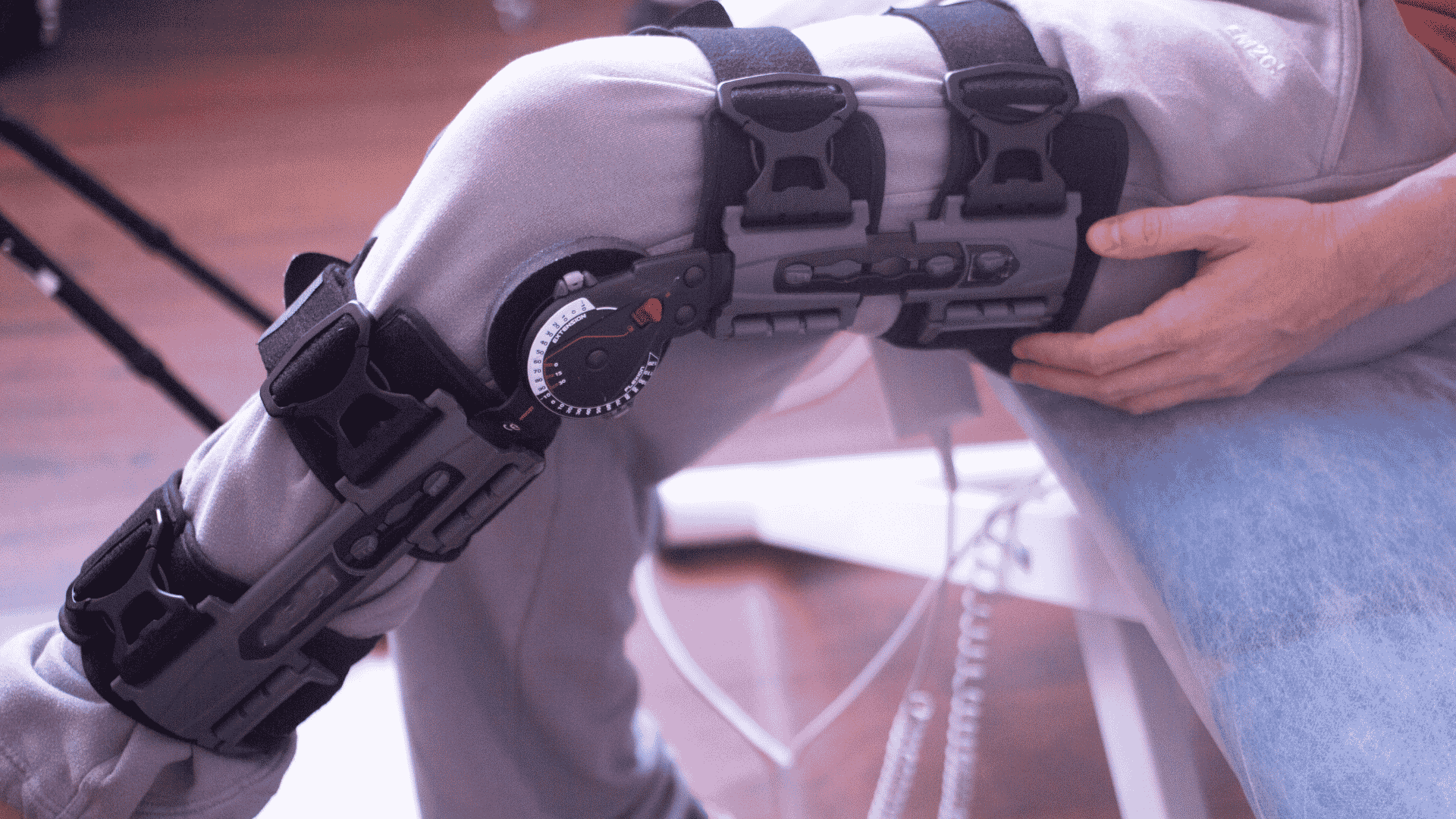
A broken bone is rarely something you plan for, and the weeks that follow can feel uncertain. Many patients are surprised to learn that recovery does not always mean staying in a rigid cast until the bone fully heals. For several common fractures, a removable fracture brace takes over partway through recovery, supporting the bone while allowing nearby joints to move and muscles to stay active.
If your physician has mentioned a fracture brace, or you are simply trying to picture what the road ahead looks like, this guide walks through the essentials. We cover the most common types of fracture braces, how the transition from cast to brace works, what the fitting process involves, and what a typical recovery timeline can look like.
Quick Summary
- A fracture brace is a removable orthotic device that supports a healing bone while permitting controlled movement of the surrounding joints.
- The most common types include tibial, ankle, humeral (upper arm), and wrist or forearm braces.
- Many patients transition from a rigid cast to a functional brace several weeks into healing, once the fracture is stable enough.
- Custom fabrication and careful fitting improve comfort, support, and the conditions for healing.
- Activity guidance and periodic follow-up adjustments are a normal and expected part of the process.
What Is a Fracture Brace?
A fracture brace, sometimes called a functional brace or cast brace, is a supportive device made from molded plastic and adjustable fasteners. Unlike a traditional cast, it can be removed for hygiene, skin checks, and physical therapy, then secured back in place. The brace holds the fracture in a stable position while still allowing the nearby joints to move.
The idea behind functional bracing has a long clinical history. Research has shown that the controlled motion permitted by a brace, combined with the gentle compression it applies to the soft tissue around the bone, can create conditions that support healing rather than hinder it (NCBI). In practical terms, this means the brace protects the bone while the limb continues to do light, supervised work.
It is worth noting that not every fracture is suited to bracing. Your physician decides whether bracing, surgery, or another approach is appropriate based on the type, location, and stability of your fracture. When bracing is recommended, it is because the injury is a good candidate for this kind of functional, motion-friendly support.
Common Types of Fracture Braces
Fracture braces are designed for specific regions of the body, and the device that supports a shinbone looks quite different from one that supports an upper arm. Below are four of the most common categories patients encounter.
Tibial (Shinbone) Fracture Braces
The tibia is the most commonly fractured long bone in the body, so tibial braces are among the most frequently fitted devices. A physician often immobilizes the fracture in a cast for the first several weeks, then replaces it with a functional brace that provides protection and support until healing is complete (OrthoInfo, AAOS). The brace can be removed for showering and therapy, which makes daily life noticeably more manageable.
Because the tibia bears most of your weight, these braces are built to support standing and walking as your provider clears you for it. Many designs allow a degree of weight-bearing that encourages healing while keeping the bone protected.
Ankle Fracture Braces
Ankle fracture braces stabilize the joint while permitting limited, controlled motion as recovery progresses. They are often used during the later phases of healing, once the initial swelling has settled and the fracture has gained stability. The goal is to protect the healing bone while gradually reintroducing movement to prevent stiffness.
Humeral (Upper Arm) Fracture Braces
The humerus is the long bone of the upper arm, and functional bracing has become a widely accepted approach for many of these fractures. A clinical review of humeral shaft fractures treated with functional bracing found an average healing time of about 10.7 weeks and a high union rate (PubMed). A humeral brace typically wraps the upper arm with a snug, adjustable sleeve that can be tightened as swelling subsides, allowing the shoulder and elbow to move.
Wrist and Forearm Fracture Braces
Wrist and forearm braces support fractures of the radius and ulna while leaving the fingers free to move. Keeping the hand functional during recovery helps reduce stiffness and supports a smoother return to everyday tasks. As with other functional braces, the fit is adjusted over time as the limb changes.
The Transition From Cast to Fracture Brace
One of the most common questions patients ask is why they start in a cast and then move to a brace. The answer is timing. In the earliest phase of healing, swelling is significant and the fracture needs maximum protection, which a rigid cast provides.
After several weeks, once the swelling has decreased and early healing has stabilized the bone, your physician may determine that a functional brace is appropriate. At that point, the cast is removed and a brace is fitted in its place. This transition is a positive milestone: it usually signals that your recovery is progressing as expected and that your limb is ready for controlled movement.
What the Fitting Process Looks Like
A well-fitted brace is central to a comfortable and effective recovery, which is why the fitting process is hands-on and individualized. At Orthopedic Appliance Company, the process generally begins with an evaluation of your fracture, your range of motion, and the condition of the surrounding soft tissue. From there, our certified practitioners take precise measurements, and in many cases use casting or digital scanning to capture the exact shape of the limb.
Those measurements inform whether an off-the-shelf brace or a custom-fabricated device best suits your needs. You can learn more about the range of devices we provide on our orthotics page. Once the brace is ready, we fit it carefully, check pressure points, and show you how to put it on, take it off, and care for it.
Follow-up visits are part of the plan from the start. As your limb heals and swelling continues to change, the brace often needs small adjustments to maintain a snug, supportive fit.
Recovery Timeline Expectations
Healing timelines vary from person to person, and they depend on the bone involved, the severity of the fracture, your age, and your overall health. As a general frame of reference, many shaft fractures of the long bones heal over a span of roughly several weeks to a few months, with the brace worn for a meaningful portion of that period.
It is important to view any timeline as a guide rather than a guarantee. Your physician and care team will monitor your healing with examinations and imaging, and they will adjust expectations based on what they observe. Patience during this period pays off, and rushing the process can work against the very healing the brace is designed to support.
Staying Active During Bracing
Functional bracing is built around the idea that gentle, supervised movement supports recovery. Within the limits your provider sets, you will likely be encouraged to keep nearby joints and muscles working to reduce stiffness and maintain strength.
A few general principles tend to apply during the bracing phase:
- Follow your weight-bearing instructions exactly, since they are tailored to your specific fracture.
- Keep the brace clean and dry, and inspect your skin each time you remove it.
- Attend physical therapy as prescribed to rebuild motion and strength safely.
- Avoid high-impact activities or sudden movements unless your provider has cleared them.
When in doubt about a particular activity, it is always best to check with your care team before trying it.
Signs Your Brace May Need Adjustment
Because your limb changes throughout healing, a brace that fit perfectly at the first visit may need attention later. Knowing what to watch for helps you stay ahead of small problems before they become bigger ones. Contact your provider if you notice any of the following:
- New or persistent pressure points, redness, or skin irritation where the brace contacts the limb.
- A brace that feels noticeably looser as swelling decreases, allowing the limb to shift inside it.
- Increased pain, numbness, or tingling that does not ease when you reposition.
- Changes in swelling, color, or temperature of the limb below the brace.
These signs do not always indicate a problem, but they are worth a prompt phone call. A quick adjustment can restore both comfort and support.
How Custom Fabrication Improves Outcomes
Two patients with the same type of fracture can have very different limbs, which is why custom fabrication matters. A device shaped to your individual anatomy distributes pressure more evenly, reduces the risk of skin irritation, and holds the fracture in better alignment than a generic fit.
Custom work also accounts for the way your limb will change over the course of healing. Skilled fabrication and ongoing adjustments keep the brace working with your recovery rather than against it. If you are interested in how supportive devices contribute to mobility more broadly, our article on improving mobility with lower leg orthotic devices offers a helpful companion read.
Frequently Asked Questions
Can I shower with a fracture brace?
In most cases, yes. A key advantage of a functional brace over a rigid cast is that it can be removed for hygiene, including showering and bathing. Always follow your provider's specific instructions on when and how to remove it.
How long will I need to wear my fracture brace?
The duration depends on the bone involved, the severity of the fracture, and how your healing progresses. Your physician monitors your recovery and will tell you when it is safe to discontinue the brace. Wearing it for the full prescribed period is important even when you start feeling better.
Is a fracture brace as effective as a cast?
For appropriate fractures, functional bracing is a well-established treatment supported by decades of clinical use. It is not the right choice for every fracture, which is why your physician evaluates your specific injury before recommending it.
Will wearing the brace be painful?
A properly fitted brace should feel supportive rather than painful. Some pressure or discomfort can occur as swelling changes, which is exactly why follow-up adjustments are part of the process. Persistent or worsening pain is a reason to contact your provider.
Do I need a prescription to get a fracture brace?
Yes. A prescription from your physician is required, and it also allows us to file any applicable insurance claim on your behalf.
Conclusion
A fracture brace can make a meaningful difference in how comfortable and functional your recovery feels, allowing controlled movement while your bone heals. Understanding the types of braces, the transition from cast to brace, and the signs that an adjustment is needed puts you in a stronger position to participate in your own care.
If you have questions about fracture bracing or would like to learn whether a custom device is right for your recovery, our certified practitioners are here to help. Please contact Orthopedic Appliance Company to discuss your needs, and have any questions about coverage ready so our team can review your insurance options with you.