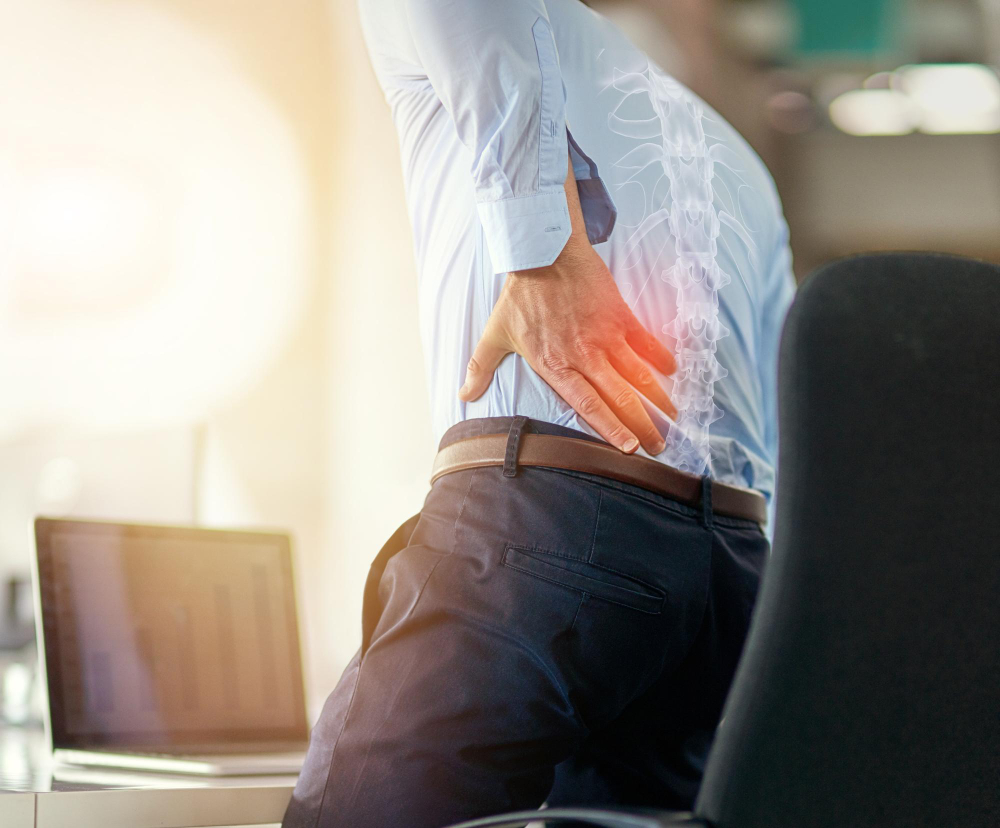
 If you're living with arthritis in your lower back, you already know how much it can affect your daily routine. Simple tasks like getting out of bed, bending to tie your shoes, or spending time in your garden can become sources of frustration and pain. For residents of Hickory and the surrounding Catawba County communities, finding effective relief isn't just about comfort — it's about maintaining the active, independent lifestyle you value.
Orthopedic Appliance Company has been serving patients throughout Western North Carolina for nearly 60 years, and our Hickory office provides convenient access to board-certified orthotists who specialize in custom bracing solutions for conditions like lower back arthritis. Whether your arthritis is limiting your ability to work, enjoy hobbies, or simply move through your day without pain, a properly fitted back brace may be the support you need.
How Arthritis Affects the Lower Back
The lower back, or lumbar spine, bears a tremendous amount of your body's weight and absorbs the forces generated by nearly every movement you make. Over time, the cartilage that cushions the joints between your vertebrae (known as facet joints) can wear down, leading to osteoarthritis — the most common form of spinal arthritis.
As that protective cartilage deteriorates, the bones of the spine may begin to rub against one another, causing inflammation, stiffness, and chronic pain. Degenerative disc disease, which involves the breakdown of the cushioning discs between vertebrae, often accompanies spinal osteoarthritis and can worsen symptoms. Some individuals also develop bone spurs or experience narrowing of the spinal canal (spinal stenosis), which can place additional pressure on nearby nerves.
Common signs that lower back arthritis may be affecting your daily life include:
- Persistent stiffness or pain in the lower back, especially in the morning or after sitting
- Difficulty bending, twisting, or standing for extended periods
- Pain that worsens with activity and improves with rest
- Reduced range of motion in the lumbar spine
- A feeling of grinding or catching when you move
The result is a cycle that many people in Hickory and across the region know all too well — pain leads to reduced activity, reduced activity leads to muscle weakness, and muscle weakness puts even more stress on already compromised joints. Breaking that cycle is where orthotic bracing can play a meaningful role.
How Back Braces Help Manage Arthritis Pain
A back brace isn't a cure for arthritis, but it can be a powerful tool for managing symptoms and preserving your quality of life. When prescribed and fitted by a qualified orthotist, a back brace works in several important ways.
Pain Reduction Through Stabilization
One of the primary benefits of a back brace for arthritis is stabilization. By limiting excessive motion in the lumbar spine, a brace reduces the repetitive movements that aggravate inflamed joints and worn cartilage. This stabilization can significantly reduce pain during activities like walking, standing for extended periods, or lifting lightweight objects around the house.
Improved Posture and Spinal Alignment
Arthritis in the lower back often leads to compensatory posture changes — you may find yourself hunching forward or shifting your weight unevenly to avoid pain. Over time, these postural shifts can create additional strain on your spine and surrounding muscles. A well-fitted back brace gently encourages proper spinal alignment, helping distribute forces more evenly and reducing the secondary pain that comes from poor posture.
Support for Daily Activities
For many people with lower back arthritis, the goal isn't to eliminate all activity — it's to stay as active as possible while managing pain. A back brace can provide the confidence and support needed to continue participating in daily routines, whether that means walking through downtown Hickory, tending to household chores, or staying engaged with the activities you enjoy. The right brace supports your independence rather than restricting it.
Types of Back Braces for Arthritis
Not all back braces are created equal, and the right choice depends on the severity of your arthritis, the specific area of your spine affected, and your daily activity needs. At Orthopedic Appliance Company, our orthotists evaluate each patient individually and recommend the most appropriate orthotic solution based on their unique condition.
Lumbosacral Orthosis (LSO)
A lumbosacral orthosis is one of the most commonly prescribed braces for lower back arthritis. The LSO typically extends from around the xiphoid process (the lower portion of the breastbone) down to the pelvis, providing targeted support and immobilization for the lumbar spine. LSO braces are available in both soft and rigid configurations, and your orthotist will recommend the appropriate level of support based on the severity of your condition and your physician's prescription.
Thoracolumbosacral Orthosis (TLSO)
For patients whose arthritis affects a broader area of the spine — or who need more comprehensive stabilization — a thoracolumbosacral orthosis may be recommended. A TLSO is typically a custom-fabricated, two-piece clamshell design that extends from just below the collarbone to the pelvis. While more extensive than an LSO, a TLSO provides maximum immobilization and pain control for more severe cases of spinal arthritis.
Soft vs. Rigid Bracing Options
Back braces for arthritis exist on a spectrum from soft, flexible supports to fully rigid, custom-molded devices. Soft braces (such as corsets and elastic supports) offer mild compression and postural reminders, making them a good option for patients with mild to moderate symptoms. Rigid braces, including custom-fabricated LSOs and TLSOs, provide substantially more support and motion restriction for patients with more advanced arthritis or those recovering from spinal procedures. Your orthotist will help you understand which option best matches your needs.
The OAC Approach — Custom Bracing in Hickory, NC
At Orthopedic Appliance Company, we believe that effective orthotic care starts with a thorough evaluation. When you visit our Hickory office for a back brace consultation, your board-certified orthotist will:
- Assess your condition and review your physician's prescription
- Discuss your symptoms, pain patterns, and daily activity needs
- Take precise measurements of your torso and spine to ensure an optimal fit
- Recommend the most appropriate brace type and configuration for your arthritis
- Walk you through what to expect during the fitting and adjustment process
Custom-fabricated braces offer significant advantages over off-the-shelf alternatives:
- Better support — designed around your unique spine, body shape, and arthritis pattern
- Greater comfort — custom contouring reduces pressure points and irritation
- More consistent pain relief — targeted stabilization exactly where you need it
- Professional oversight — fitted and adjusted by a certified orthotist who monitors your progress
All of our orthotic devices are measured, fabricated, and fitted by skilled orthotists who meet the rigorous standards set by the American Board for Certification in Orthotics and Prosthetics (ABC).
Our Hickory location serves patients from across Catawba County and the surrounding communities, including Newton, Conover, Claremont, and Morganton. We also accept most major insurance plans, including Medicare, Medicaid, Blue Cross Blue Shield, Aetna, Humana, and Veterans Administration benefits. Our insurance and patient coordinators are available to help you understand your coverage and navigate the authorization process.
Frequently Asked Questions
Do I need a prescription for an arthritis back brace?
Yes, a prescription from your physician is required to be fitted for a custom back brace and to file an insurance claim. Your doctor will evaluate your condition and determine the appropriate type of brace based on your diagnosis and treatment plan. If you haven't yet discussed bracing with your doctor, our team can help guide that conversation — contact us to learn more.
How long should I wear a back brace for arthritis each day?
Wear time varies based on your specific condition, the type of brace prescribed, and your physician's recommendations. Some patients wear their brace primarily during activities that trigger pain, while others may be advised to wear it for longer periods throughout the day. Your orthotist will provide detailed wearing instructions and work with your physician to develop a schedule that balances support with maintaining healthy muscle strength.
Will insurance cover my back brace?
Most major insurance plans provide coverage for medically necessary orthotic devices, including back braces for arthritis, when prescribed by a physician. Coverage specifics — including co-pays, deductibles, and authorization requirements — vary between plans. OAC's insurance coordinators can verify your benefits and help you understand your financial responsibility before your fitting appointment.
Can a back brace cure arthritis?
A back brace does not cure arthritis, but it is an effective tool for managing symptoms and improving quality of life. By stabilizing the spine, reducing painful motion, and supporting proper alignment, a brace can significantly decrease pain and help you maintain your daily activities. Bracing is most effective when combined with a comprehensive treatment plan that may include physical therapy, exercise, medication, and lifestyle modifications as recommended by your healthcare provider.
Take the Next Step Toward Relief
Living with lower back arthritis doesn't mean giving up the activities and independence that matter to you. With the right orthotic support, many patients experience meaningful pain relief and improved daily function. Orthopedic Appliance Company's Hickory office is here to provide the expert evaluation, custom bracing, and ongoing care you deserve.
Ready to explore your options? Contact Orthopedic Appliance Company today to schedule a consultation at our Hickory location and take the first step toward finding relief from lower back arthritis.