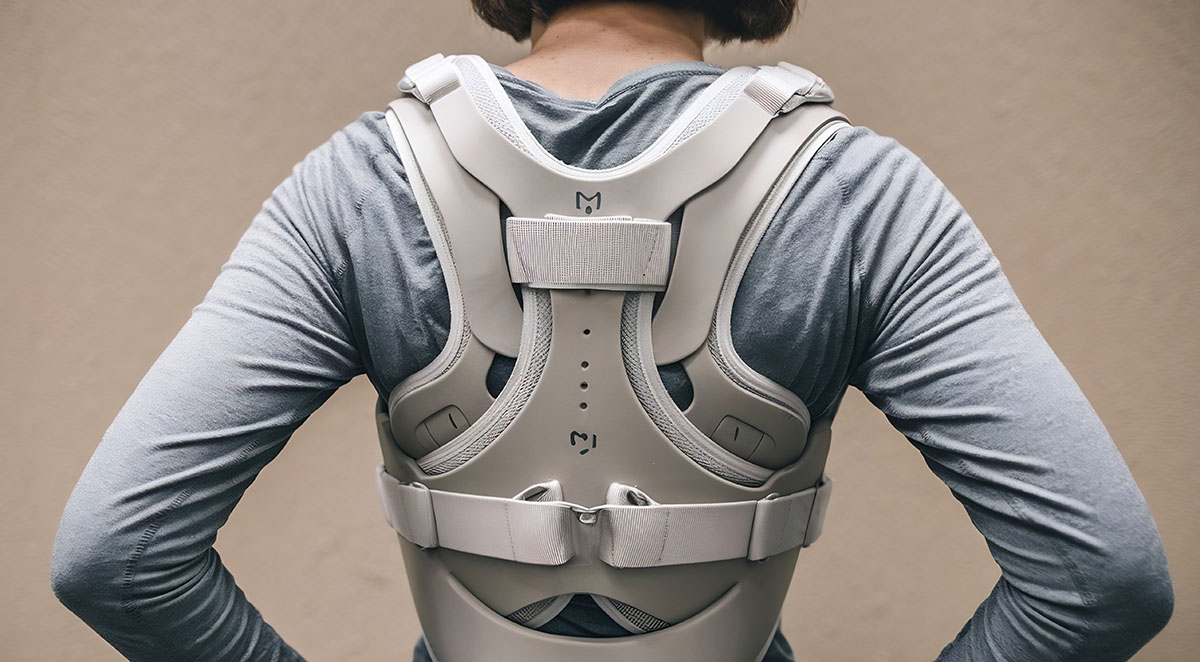
Facing spinal surgery, or recovering from it, brings a long list of questions, and bracing is often one of them. Many people leave their surgeon's office knowing they'll wear a back brace afterward, but unsure what it will feel like, how long they'll need it, or what it's actually doing. If that's where you are, you're in good company, and a little clarity can make the road ahead feel much more manageable.
Post-surgical spinal braces are a common part of recovery, though how and when they're used varies quite a bit from person to person. Here's a clear, honest look at what these braces do, the types you might be prescribed, and what to expect as you heal.
Quick Summary
- A post-surgical spinal brace supports the back, limits certain movements, and helps protect the surgical area while it heals.
- The main types are lumbosacral orthoses (LSO) for the lower spine and thoracolumbosacral orthoses (TLSO) for a larger region, in both soft and rigid designs.
- Bracing is used after various procedures, including fusion, laminectomy, discectomy, and spinal fracture repair, though the approach depends on your surgeon and your specific case.
- Evidence on bracing after routine instrumented fusion is mixed, so your surgeon's judgment guides whether and how long you'll wear one.
- A proper custom fit and clear wearing instructions are what make a brace comfortable and effective during recovery.
Why a Brace May Be Prescribed After Spinal Surgery
After spinal surgery, the goal is to protect the area while your body heals, and a brace can help support that process. Depending on the situation, a post-surgical brace may limit motion at the surgical site, provide a sense of stability and comfort, and serve as a helpful physical reminder to move carefully during the early weeks. For some people, that added support makes daily activities feel safer and less daunting.
It's worth understanding that bracing after spinal surgery is highly individualized. Some surgeons prescribe a brace routinely, others selectively, and the right approach depends on the type of surgery, the region of the spine, and your overall health. Your surgeon's guidance is always the deciding factor.
Common Types of Post-Surgical Spinal Braces
Spinal braces are named for the regions they cover, which is why you'll encounter terms like LSO and TLSO. Here's how the main options compare.
Lumbosacral Orthoses (LSO)
An LSO supports the lower back and sacral region, making it a common choice after lower-spine procedures. These braces range from softer corsets to more rigid designs with structural supports. They're often used to steady the lumbar spine while it recovers.
Thoracolumbosacral Orthoses (TLSO)
A TLSO extends higher to support the thoracic and lumbar spine together, offering more comprehensive control. These are frequently used after more extensive surgery or for spinal fractures, and many are custom-molded to fit your body precisely. A well-made TLSO distributes support evenly, which matters a great deal for comfort during weeks of wear.
Rigid and Soft Designs
Within these categories, braces vary in rigidity. Rigid braces limit motion more firmly and are used when greater stability is needed, while softer supports offer gentle compression and a reminder to move carefully. Your surgeon and orthotist will match the design to your needs.
Bracing for Different Procedures
The role of a brace shifts depending on the surgery you've had. A few common scenarios help illustrate the range.
After Spinal Fusion
Fusion joins two or more vertebrae so they heal into a single, stable unit, often with metal hardware for support. Braces are commonly prescribed afterward, though as discussed below, the evidence on their necessity for routine instrumented fusion is genuinely mixed.
After Laminectomy or Discectomy
These procedures relieve pressure on the nerves by removing bone or disc material. Some patients wear a soft support afterward for comfort and as a reminder to limit strain, particularly in the early weeks.
After a Spinal Fracture
When surgery addresses a spinal fracture, or when a stable fracture is managed without surgery, a rigid brace like a TLSO is often used to hold the spine steady while the bone heals. This is one of the clearer indications for spinal bracing.
What the Evidence Says
Here's where honesty matters. While bracing after spinal fusion is a longstanding practice, research increasingly questions how much it helps in routine cases. One randomized trial concluded that bracing following a common type of lumbar fusion was not necessary for patients with degenerative spine disease (NCBI, PubMed). A broader meta-analysis of randomized trials similarly found that bracing after lumbar fusion didn't produce substantial differences in pain relief, functional recovery, complications, or fusion rates compared with no brace (NCBI, PMC).
That doesn't mean braces have no place. They remain clearly useful in situations like unstable spinal fractures, and many patients find real comfort and reassurance in the support during early recovery. The takeaway is simply that bracing is a decision to make with your surgeon, based on your specific procedure and needs, rather than a one-size-fits-all rule. Modern recovery also emphasizes gradual, guided movement, so your care team will balance protection with getting you moving safely.
Wearing Schedules and Activity
If you're prescribed a brace, following the schedule you're given is what makes it effective. Some braces are worn full-time for a set number of weeks, while others are used only during certain activities or for a shorter period. Your surgeon will tell you when to wear it, when you can take it off, and how to gradually return to your normal routine.
Activity guidance matters just as much as the brace itself. You'll likely be asked to avoid bending, lifting, and twisting for a time, then to reintroduce movement gradually. If anything feels wrong, or the brace becomes uncomfortable or loose, reaching out to your care team keeps your recovery on track.
The Emotional Side of Recovery
It's easy to focus on the physical aspects and overlook how wearing a brace for weeks or months can feel. Some people find it reassuring, while others feel restricted, self-conscious, or simply tired of the routine. All of those reactions are normal.
Preparing mentally can help. Knowing that the brace is temporary, that it's helping you heal, and that each week brings progress makes the experience easier to carry. Leaning on your support network and staying in touch with your care team goes a long way, too.
The Custom Fitting Process
A brace only works well when it fits well, which is why fitting is a careful, individualized process. At Orthopedic Appliance Company, our certified orthotists fabricate and fit the brace your surgeon prescribes, shaping it to your body for comfort and proper support. We take the time to ensure the fit is right and to show you how to put it on, take it off, and care for it.
We're also here for the long haul, providing adjustments as your recovery progresses and answering questions along the way. You can explore our full range of custom orthotic devices to see how we tailor support to each patient, and if you're navigating a related diagnosis, our guide on scoliosis and spinal bracing offers additional context on spinal support.
Key Takeaways
- Post-surgical spinal braces support and protect the back while it heals, with LSO and TLSO being the most common types.
- The right brace and wearing schedule depend heavily on your specific surgery, so your surgeon's guidance is essential.
- Evidence on bracing after routine instrumented fusion is mixed, though braces remain clearly valuable for situations like unstable fractures and for comfort during recovery.
- A precise custom fit and clear instructions make all the difference in comfort and effectiveness.
Frequently Asked Questions
How long will I need to wear a brace after spinal surgery?
It varies widely depending on your procedure and your surgeon's plan. Some braces are worn for a few weeks, others for a couple of months. Your surgeon will give you a specific timeline and let you know when it's safe to stop.
Does everyone need a brace after spinal surgery?
No. Bracing practices vary between surgeons and depend on the type of surgery and your individual situation. Some patients are braced routinely, others selectively, and some not at all. Your surgeon makes that call.
Can I take the brace off to shower or sleep?
That depends on your instructions. Some braces must be worn continuously for a period, while others can come off for specific activities. Always follow the exact guidance you were given, and ask your care team if you're unsure.
Will insurance cover a post-surgical spinal brace?
Coverage varies by plan and by the specific brace prescribed. Many braces are covered when they're medically necessary and ordered by your surgeon. Our team is glad to help you understand your benefits.
What if my brace feels uncomfortable or doesn't fit right?
A properly fitted brace should feel snug and supportive, not painful. If you notice pressure sores, increasing discomfort, or a loose fit, contact your provider so the brace can be checked and adjusted.
Moving Forward With Confidence
Recovering from spinal surgery is a process, and a well-fitted brace can be a helpful part of it when your surgeon recommends one. Understanding what your brace does, and following your care plan, makes the weeks ahead far more manageable.
If you've been prescribed a spinal brace or have questions about post-surgical support, our experienced team is here to help. Please contact us to learn how a custom-fitted brace can support your recovery.