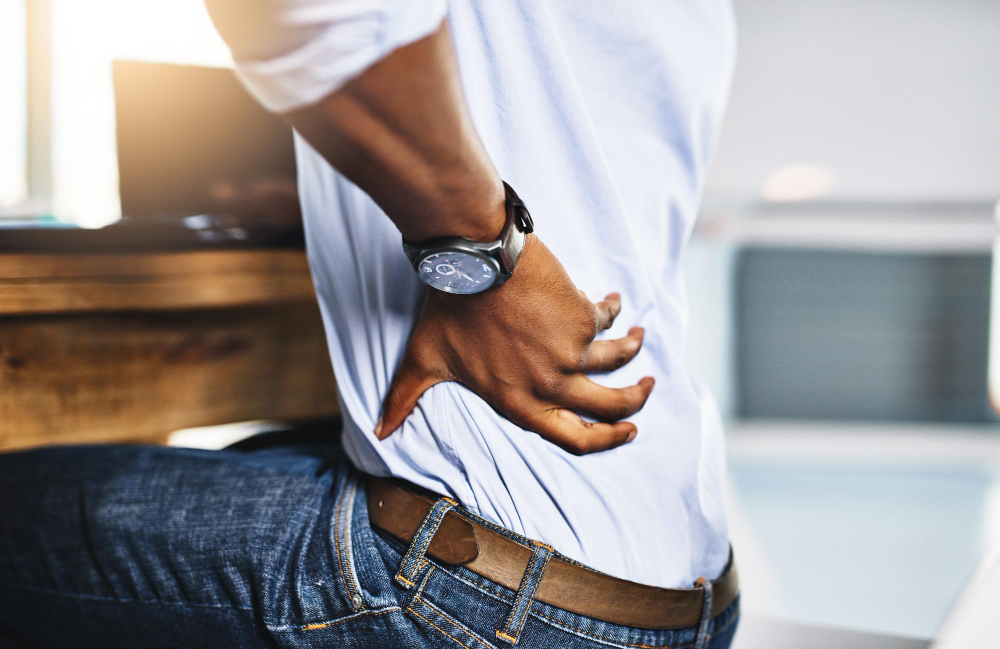
 Back arthritis is one of those conditions that can quietly reshape your entire day. It may start as morning stiffness that takes a while to shake off, then gradually progress to persistent pain that makes it harder to stay on your feet at work, keep up with your family, or enjoy the outdoor activities that Central Arkansas has to offer. If you're living with arthritis in your back in the Bryant area, you're not alone — and you don't have to simply accept the limitations it imposes.
Orthopedic Appliance Company's Bryant location provides residents of Saline County and the surrounding communities with access to board-certified orthotists who specialize in custom bracing for spinal conditions, including back arthritis. With the right orthotic support, many patients experience meaningful improvement in pain management, mobility, and overall quality of life.
Understanding Arthritis in the Back
Arthritis in the back, particularly in the lumbar (lower) spine, is a degenerative condition that affects the joints, discs, and connective tissues of the spinal column. While there are several forms of spinal arthritis, the most common types that lead to back bracing include osteoarthritis, degenerative disc disease, and conditions closely related to arthritic changes.
Osteoarthritis of the spine occurs when the cartilage protecting the facet joints — the small joints that connect each vertebra — gradually breaks down over time. As this cartilage wears away, the bones may rub against each other during movement, producing pain, inflammation, and stiffness. The body sometimes responds by forming bone spurs along the vertebrae, which can further restrict motion and contribute to discomfort.
Degenerative disc disease often accompanies spinal osteoarthritis. The intervertebral discs that act as cushions between your vertebrae lose moisture and elasticity with age, reducing their ability to absorb shock. As discs thin, the facet joints bear more load, which can accelerate arthritic changes. In some cases, the spinal canal may narrow (a condition called spinal stenosis), potentially putting pressure on the spinal cord or nerve roots and causing radiating pain, numbness, or weakness.
The combined effect of these changes can be significant. Pain and stiffness make movement difficult, which leads to decreased activity. Less activity contributes to muscle weakness and deconditioning, which in turn places even more stress on the arthritic spine. Common symptoms that indicate back arthritis may be impacting your quality of life include:
- Chronic lower back pain that worsens with movement or prolonged standing
- Morning stiffness that takes 30 minutes or longer to improve
- Decreased flexibility or range of motion in the spine
- A grinding or popping sensation during movement
- Pain that radiates into the hips or buttocks
- Difficulty performing everyday tasks like bending, lifting, or climbing stairs
Understanding the cycle of pain and deconditioning is important because effective treatment — including orthotic bracing — aims to interrupt it and help you stay as active and functional as possible.
How Orthotic Bracing Supports Back Arthritis Management
A back brace prescribed by your physician and custom-fitted by a qualified orthotist can be an important part of a comprehensive arthritis management plan. While bracing alone doesn't reverse the degenerative changes in your spine, it addresses several key factors that contribute to pain and functional limitation.
Reducing Painful Motion
The primary mechanism through which a back brace helps manage arthritis pain is stabilization. By limiting excessive flexion, extension, and rotation in the affected area of the spine, a brace reduces the repetitive joint movements that trigger inflammation and pain. This is particularly valuable during activities that place increased demands on the lumbar spine, such as standing for extended periods, walking on uneven ground, or performing household tasks that involve bending or lifting.
Supporting Spinal Alignment
Chronic back arthritis often leads to gradual changes in posture. You may find yourself leaning forward, favoring one side, or adopting other compensatory positions to minimize discomfort. While these adjustments may provide short-term relief, they can create additional strain on muscles, ligaments, and unaffected joints over time. A well-fitted back brace encourages proper spinal alignment, helping distribute biomechanical forces more evenly and reducing the secondary problems that poor posture can cause.
Complementing Other Treatments
Back bracing works best as part of a broader treatment strategy. Your physician may also recommend:
- Physical therapy to strengthen the muscles supporting your spine
- Medications to manage inflammation and pain
- Weight management to reduce stress on spinal joints
- Activity modifications to protect your back during daily tasks
A brace complements each of these approaches by providing external support that allows you to participate more comfortably in physical therapy exercises and daily activities. Think of it as a tool that works alongside your other treatments, not a replacement for them.
Back Brace Options Available Through OAC
At Orthopedic Appliance Company, we offer a range of orthotic bracing solutions for back arthritis, from mild support devices to fully custom-fabricated spinal orthoses. Your orthotist will recommend the most appropriate option based on your diagnosis, the severity of your symptoms, and your physician's prescription.
Lumbosacral Orthosis (LSO)
The lumbosacral orthosis is one of the most frequently prescribed braces for arthritis affecting the lower back. An LSO provides targeted support for the lumbar and sacral regions of the spine, typically extending from around the lower ribcage to the pelvis. These braces are designed to immobilize the lower spine, reduce painful motion, and decrease the load on arthritic facet joints. LSO braces are available in configurations ranging from soft, flexible supports to semi-rigid and rigid designs, depending on the level of stabilization your condition requires.
Thoracolumbosacral Orthosis (TLSO)
When arthritis affects a more extensive area of the spine, or when greater immobilization is needed, a thoracolumbosacral orthosis may be the appropriate choice. A TLSO extends from just below the collarbone down to the pelvis, providing comprehensive support for both the thoracic and lumbar spine. These are typically custom-fabricated using a two-piece clamshell design that's molded to your body's unique contours, ensuring maximum contact, support, and comfort.
Custom vs. Off-the-Shelf Solutions
You may have noticed back braces available at pharmacies and retail stores, and it's natural to wonder whether those products can provide the same benefits as a custom-fitted brace from a certified orthotist. The short answer is that off-the-shelf braces can offer basic compression and mild support, but they cannot match the precision, effectiveness, and comfort of a device that's been designed specifically for your body and your condition.
A custom brace accounts for your unique spinal curvature, body shape, and the specific location of your arthritis. It provides targeted support exactly where it's needed, fits securely without excessive bulk, and is designed to be worn comfortably for the periods your physician prescribes. For managing a chronic condition like spinal arthritis, that level of precision makes a meaningful difference in outcomes.
Why Choose Orthopedic Appliance Company in Bryant, AR
Orthopedic Appliance Company has been helping patients achieve better mobility and quality of life for nearly six decades. Our Bryant location brings that same level of expertise and compassionate care to residents of Saline County and the broader Central Arkansas community, including Benton, Alexander, and the greater Little Rock metro area.
When you choose OAC's Bryant office for your back arthritis bracing, you benefit from:
- Board-certified practitioners who hold ABC certification — the highest professional standard in orthotics and prosthetics
- Collaborative care with your referring physician and physical therapist to ensure your brace fits into a comprehensive treatment plan
- Custom fabrication tailored to your body and your specific condition, not a one-size-fits-all approach
- Insurance navigation support from dedicated coordinators who verify benefits and handle authorizations
We also understand that navigating insurance coverage for orthotic devices can feel complicated. OAC accepts most major insurance plans, including Medicare, Medicaid, Blue Cross Blue Shield, Aetna, Humana, and Veterans Administration benefits. Our insurance and patient coordinators are here to verify your benefits, handle authorization requirements, and make the process as straightforward as possible so you can focus on getting the care you need.
Frequently Asked Questions
What type of back brace is best for arthritis?
The best brace for your back arthritis depends on the specific location and severity of your condition, as well as your daily activity needs. For most cases of lumbar arthritis, a lumbosacral orthosis (LSO) provides effective support and pain relief. More extensive spinal involvement may require a thoracolumbosacral orthosis (TLSO). Your physician will prescribe the appropriate type, and your orthotist at OAC will ensure it's properly fitted and customized for your body.
How do I know if I need a back brace for my arthritis?
If your back arthritis is causing persistent pain that limits your daily activities, reduces your mobility, or isn't adequately managed by medication and physical therapy alone, a back brace may be a beneficial addition to your treatment plan. The decision to prescribe a brace is typically made by your physician based on your diagnosis, symptoms, and imaging results. If you think bracing might help, discuss it with your doctor or contact our team to learn more about your options.
Will wearing a back brace weaken my back muscles?
This is a common and understandable concern. When prescribed and used appropriately, a back brace should not cause significant muscle weakening. Your physician and orthotist will provide specific guidelines about when and how long to wear your brace each day, balancing the benefits of external support with the importance of maintaining core muscle strength. Many patients use their brace during higher-demand activities while continuing to perform prescribed exercises and physical therapy to keep their supporting muscles strong.
Does OAC accept my insurance for back braces?
Orthopedic Appliance Company accepts most major insurance plans, including Medicare, Medicaid, Blue Cross Blue Shield, Aetna, Humana, and Veterans Administration benefits. A physician's prescription is required to file an insurance claim for a back brace. Our insurance and patient coordinators can verify your specific benefits and explain your coverage before your appointment, so there are no surprises.
Get Expert Back Arthritis Support in Bryant
Back arthritis doesn't have to define your daily life. With the right support from a board-certified orthotist and a properly fitted brace, many patients find they can manage their pain more effectively and return to the activities that matter most to them. Orthopedic Appliance Company's Bryant location is ready to provide the personalized evaluation, expert fitting, and ongoing care you need.
Take the first step toward relief by contacting Orthopedic Appliance Company today to schedule a consultation at our Bryant, AR office. Our team is here to help you find the right solution for your back arthritis.